

Food Service Operator 2026: Andy’s Survival Kit to Stay Competitive
2026 sends a very clear message: the rules of the game are changing in the UK.
Customer experience, food safety, sustainability, speed, stricter audits, and high staff turnover.
The sector is accelerating.
Customers expect more.
Mistakes cost more.
Margins demand greater precision.
That’s why the food service operator of 2026 needs a real, practical survival kit, designed for the day-to-day reality of an operation that leaves no room for improvisation.
Here are the essential tools and capabilities to reach 2026 with a strong, consistent, and scalable operation.

Food Service Operator 2026: Andy’s Survival Kit to Stay Competitive
1. Total visibility: you can’t manage what you can’t see
Today’s food service operator needs a global view of operations:
✔ task status
✔ HACCP compliance
✔ traceability
✔ 24/7 temperature control
✔ incidents
✔ maintenance
✔ expiration dates
If you operate multiple locations, visibility must be centralised.
2026 will reward brands that make decisions based on clear dashboards – not phone calls or assumptions.
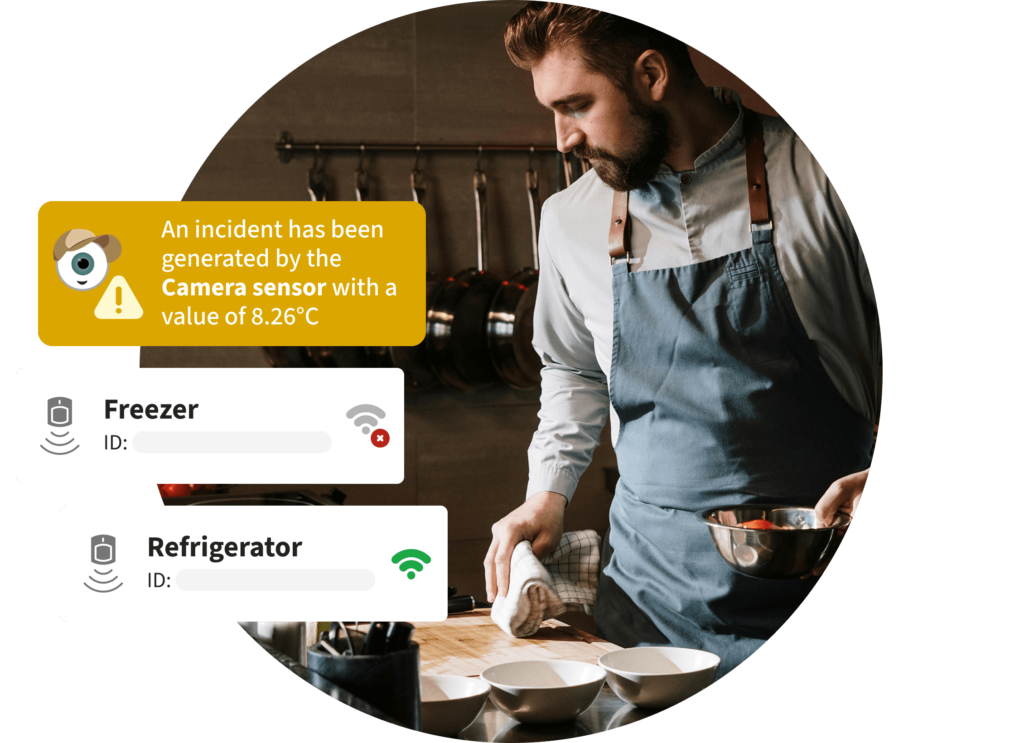
2. Connected sensors: your first line of defense
The food service operator of 2026 can’t rely on manual measurements. Technology already delivers better results:
- automatic alerts
- continuous temperature monitoring
- reduced waste
- easier audits
- control without depending on shifts
A competitive operator understands that cold chain control is a KPI, not a formality.
3. Smart expiration management: precision without effort
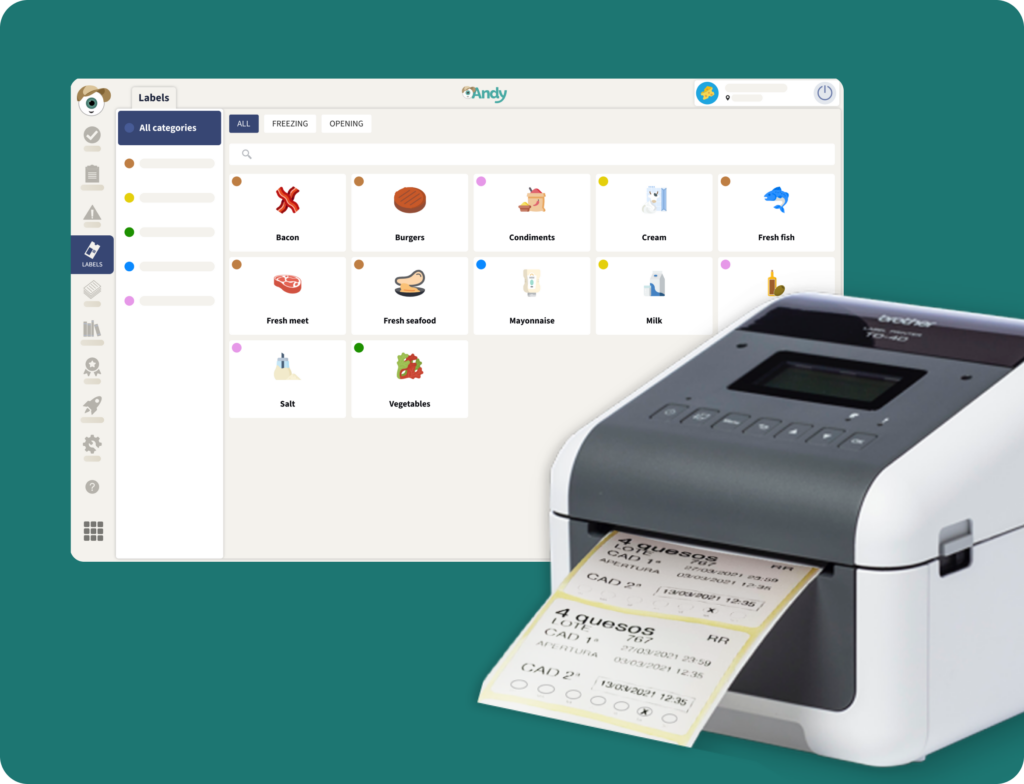
Manual labels are inconsistent.
Teams make mistakes.
Operational rhythms change.
By 2026, you need:
✔ automated logic
✔ recalculation when a product is opened
✔ category-based standards
✔ evidence for every batch
✔ location-level visibility
This alone eliminates a huge percentage of operational errors.
4. Digital tasks and guided workflows: less chaos, more standardisation
A strong operator in 2026 doesn’t memorise processes – they follow them, guided by the system.
This means:
- role-based tasks
- step-by-step instructions
- photo evidence
- daily verification
- consistent routines
- alerts when something is missing
Young teams + high turnover → clear workflows.
5. Scheduled maintenance: if you wait for failure, you’re already late
Equipment is one of the highest costs in food service.
And 2026 will demand fewer breakdowns and more continuity.
Your survival kit must include:
- preventive maintenance
- recurring tasks
- equipment history
- QR codes with information
- alerts before failures
Equipment that doesn’t fail keeps the entire operation stable.
6. Fast onboarding and built-in training
Learning speed will be critical in 2026.
You can’t afford to spend two weeks training every new team member.
You need:
✔ tasks that teach
✔ clear instructions
✔ short images and videos
✔ systems that explain the standard
✔ evidence for every activity
Processes should not rely on memory – they must live in the system.
7. Full traceability: from origin to service
The food service operator of 2026 must be able to answer:
- When did this product arrive?
- What is its expiration date?
- How was it handled?
- Is there evidence?
- What happened during the incident?
Traceability isn’t just a legal requirement – it’s a control and protection tool for the business.
8. Sustainability built into daily operations
2026 will also demand environmental responsibility:
- waste prevention
- better stock rotation
- efficient cold control
- less reprocessing
- data for ESG reporting
Sustainability isn’t an add-on – it’s a KPI expected by customers and auditors.
9. Tools that reduce stress and improve team climate
A capable operator doesn’t just manage processes – they manage people.
2026 will reward those who use technology to:
- reduce errors
- lower cognitive load
- empower autonomous teams
- clarify roles
- avoid internal conflicts over responsibility
Clear systems = calmer teams.
Operating in 2026 requires a new toolset
Food service operators will be more technical, more informed, more connected, and better prepared in 2026.
And the brands that understand this will achieve greater consistency, tighter control, and real scalability.
Get ready for a safer, more efficient, and more scalable 2026.
